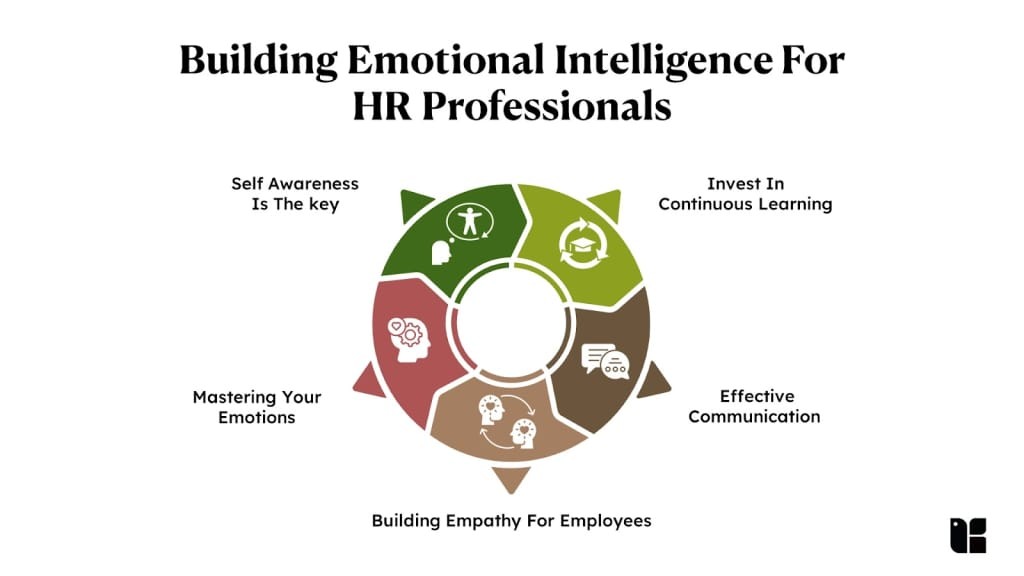
Why Emotional Intelligence Is the Most Powerful Skill Every HR Professional Must Master
Introduction
Human Resource Management is fundamentally about managing people, relationships, and workplace dynamics. In such a human-centered profession, emotional intelligence plays a crucial role. Emotional intelligence refers to the ability to recognize, understand, manage, and influence one’s own emotions as well as the emotions of others.
For HR professionals, emotional intelligence is not just a desirable skill—it is a strategic capability that influences employee satisfaction, productivity, and organizational success.
Understanding Emotional Intelligence
- Self-Awareness – The ability to recognize and understand one's emotions and how they influence behaviour and decision-making.
- Self-Regulation – The ability to manage emotions, stay calm under pressure, and respond thoughtfully rather than react impulsively.
- Motivation – Emotionally intelligent HR professionals are internally motivated and committed to achieving organizational goals.
- Empathy – The ability to understand employees’ feelings, perspectives, and concerns.
- Social Skills – Strong communication and relationship-building abilities that help HR professionals manage teams effectively.
Importance of Emotional Intelligence in HR
-
Improving Employee Relations
HR professionals frequently deal with employee concerns, grievances, and interpersonal conflicts. Emotional intelligence enables them to listen actively, respond empathetically, and resolve issues fairly. -
Effective Conflict Resolution
Workplace conflicts are inevitable. HR professionals with strong emotional intelligence can identify underlying emotions, mediate discussions constructively, and guide employees toward mutually beneficial solutions. -
Enhancing Leadership and Decision-Making
Emotionally intelligent HR leaders make balanced decisions by considering both organizational objectives and employee well-being. -
Strengthening Workplace Culture
A positive workplace culture is built on trust, respect, and collaboration. HR professionals with emotional intelligence foster open communication and create environments where employees feel psychologically safe. -
Supporting Employee Development
Emotionally intelligent HR professionals are better mentors and coaches. They can understand employees’ strengths, motivations, and challenges and design more effective training and development programs.
Emotional Intelligence in Modern HR Practices
Organizations integrate emotional intelligence into HR strategies such as:
- Leadership development programs
- Employee engagement initiatives
- Performance management systems
- Diversity and inclusion strategies
- Workplace well-being programs
Challenges in Applying Emotional Intelligence in HR
Despite its importance, implementing emotional intelligence in HR can be challenging due to high workplace stress, lack of EI training, and organizational cultures that prioritize results over people.
Conclusion
Emotional intelligence has become an essential competency for HR professionals in the modern workplace. It enables HR leaders to understand employees, manage workplace relationships effectively, and build a positive organizational culture. Organizations that prioritize emotional intelligence are more likely to experience higher employee engagement, stronger leadership, and sustainable long-term success.